+1 (281) 855-2218

What Is a Water Line Coupler and How Does It Work?

A water line can look simple until a small joint begins to leak. The Water Line Coupler connects two sections of water tubing or pipe, helping maintain a continuous path for flow. Its exact design varies: some couplers use threaded ends, while others rely on compression rings, push-fit seals, or dedicated connectors. The right choice depends on pipe material, diameter, water pressure, temperature, and the system’s instructions. A fitting that looks close may still be wrong.

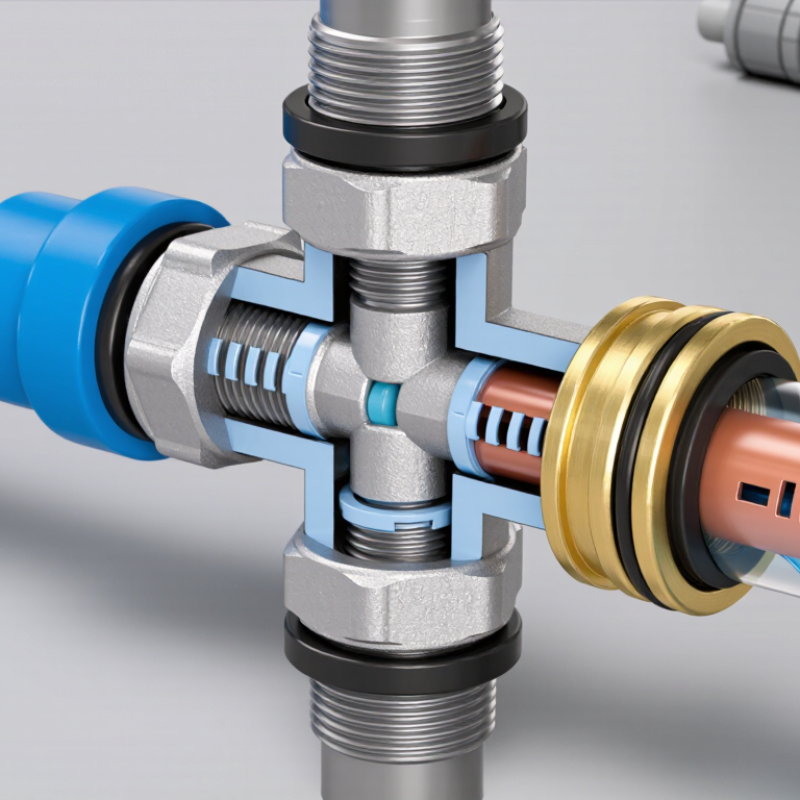
How does it work? In basic terms, the coupler holds pipe ends in alignment and creates a seal around the connection. In a compression style, tightening a nut presses a ring against the pipe. In a threaded design, matching threads draw the parts together, often with a manufacturer-approved sealing method. Push-fit models use internal gripping teeth and an elastomer seal. Small details matter. An angled cut, scratched pipe end, or misplaced seal can cause slow drips that appear only after the line is pressurized.

This guide explains common coupler types, how water moves through the joint, and what to check before installation. It also covers practical inspection steps, such as confirming compatibility and checking for leaks after restoring flow. Not every connection is intuitive, and product directions should take priority over general advice. If the line is damaged, inaccessible, or part of a critical supply, a qualified plumbing professional can assess it. A little caution is useful. Even a neat-looking joint deserves a second look.
What Is a Water Line Coupler and How Does It Work?

Definition and Purpose of a Water Line Coupler

A water line coupler is a fitting that joins two sections of water pipe. It may connect matching pipe ends or help replace a damaged section. Its main purpose is to create a continuous path for water while keeping the joint sealed under normal operating pressure. Some couplers use threaded connections, while others rely on compression rings or push-fit seals. The right type depends on the pipe material, outside diameter, and working pressure. A coupler is not a valve; it does not control or stop water flow.

Choosing a compatible fitting matters. A coupler made for one pipe material may not seal reliably on another, even if it appears to fit. For drinking-water lines, use components rated for potable water and follow the fitting instructions. Small parts matter. Before installation, shut off the supply and check that pipe ends are clean and square. After restoring water, dry the joint and look for moisture; a paper towel can reveal a slow seep that is hard to see. Even careful work deserves a second check, since a joint can leak only after pressure returns. If the line is concealed or the connection type is uncertain, a qualified plumber can verify the repair.

Main Components and Connection Design

A water line coupler joins two sections of tubing or connects tubing to a fixture. Its main parts are the body, sealing surfaces, and connection ends. The body holds the parts in alignment. Seals may be built-in rings, washers, or separate compression components. Each design handles water pressure differently. Small parts matter.

Connection design determines how the coupler grips and seals the line. Threaded ends tighten together, often with a washer or approved thread sealant. Compression designs use a nut and ferrule to press against the tubing. Push-fit designs hold compatible tubing with internal gripping teeth and seals. The tube diameter, material, and pressure rating must match the fitting. A tiny mismatch can cause a slow drip, even when the joint feels firm. Real fittings are not always as neat as diagrams suggest; access and worn tubing can complicate a repair.

Tips: Shut off the water before fitting a coupler. Cut tubing square, remove burrs, and seat it fully. Tighten only as directed; overtightening can damage parts. Restore water slowly, then inspect the joint with a dry tissue. If it gets damp, stop and check the connection.

Common Types of Water Line Couplers

Water line couplers connect two pieces of tubing or pipe, creating a continuous path for water. The right type depends on pipe material, diameter, pressure, and access for installation. A snug fit is not enough; the connection must also suit the water line’s intended use.

Compression couplers use a nut and ring that squeeze around the pipe as the nut tightens. They are common on rigid plastic or metal lines and can be useful where soldering is unsuitable.

Push-to-connect couplers grip tubing with an internal seal and locking teeth. The cut end must be square, smooth, and inserted fully. That matters.

Threaded couplers join pipes with matching male and female threads, often with a suitable sealing method.

Barbed couplers fit flexible tubing; a clamp can help keep the hose secure.

Before choosing one, check the pipe’s actual outside diameter and material, not just its general name. Some plastics look similar but require different fittings. For drinking-water lines, confirm that the coupler is rated for potable water and the system’s pressure. Tightening harder does not always fix a leak; it can damage a seal or deform tubing. Even careful measurements can be off, so inspect the joint for drips after restoring water pressure.

How a Water Line Coupler Works

A water line coupler joins two sections of pipe or tubing, or connects a supply line to a fixture. Its job is simple: keep water moving through a sealed joint. Small part. Big consequence.

The seal depends on the coupler design. A compression fitting squeezes a ring around the tube as its nut tightens. Threaded fittings seal at the mating threads, often with a washer or approved thread sealant. Push-fit models use internal gripping teeth and an O-ring. In each case, the coupler holds the line steady while the seal resists water pressure. The exact method varies, so parts that look similar may not be compatible.

During installation, shut off the water and check that the line end is clean, round, and fully seated. A crooked tube or damaged seal can cause a slow drip. Overtightening can also deform some fittings; this is easy to miss when working in a cramped cabinet. The Water Research Foundation’s Residential End Uses of Water, Version 2 (2016), estimated leaks at 12.7% of indoor residential water use in its study sample. The U.S. EPA also estimates that household leaks can waste nearly 10,000 gallons a year. Those figures cover many leak sources, not couplers alone, but they show why checking a new joint matters.

Typical Uses and Key Selection Factors

Water line couplers join pipe sections, connect different pipe materials, or replace a damaged section. In homes, they may sit beneath sinks, behind washing machines, or inside utility cabinets. A coupler seals the connection while keeping water moving through the line. The exact fitting depends on the pipe material and connection method. On paper, matching diameter seems enough. It often isn’t.

Check the pipe’s outside diameter, material, operating pressure, and water temperature before choosing a coupler. For drinking-water systems, confirm that wetted components meet applicable potable-water standards, such as NSF/ANSI/CAN 61; lead-content requirements may also apply. Allow room for installation and future access, especially in cramped cabinets. A fitting that is difficult to inspect can make a small leak easy to miss. The U.S. EPA’s 2023 Drinking Water Infrastructure Needs Survey and Assessment estimated $625 billion in drinking-water infrastructure needs over 20 years. That figure concerns broad system needs, not coupler failures, but it underscores why dependable repairs matter. Check compatibility against the pipe and fitting specifications, not appearance alone.

What Is a Water Line Coupler and How Does It Work? - Typical Uses and Key Selection Factors

Coupler Type How It Connects Typical Uses Key Selection Factors
Compression coupler A nut compresses a ring (ferrule) around the pipe or tube to form a seal. Joining compatible copper or plastic water tubing in plumbing and appliance connections. Match the fitting to the tubing material, outside diameter, and water-service rating. Follow the fitting instructions for installation and retightening.
Push-to-connect coupler An internal gripping ring holds the inserted tube, while an internal seal prevents leakage. Accessible repairs and connections to compatible water-supply tubing, where local rules permit. Check tube material and diameter, pressure and temperature limits, potable-water suitability, and the required insertion depth.
Threaded coupler Matching male and female threads join pipe or fittings; the thread type and sealing method determine how the joint seals. Connecting threaded valves, pipe sections, filters, and other plumbing components. Confirm thread standard, size, material compatibility, and whether the joint requires an approved thread sealant or gasket.
Barbed hose coupler Barbs grip the inside of flexible hose; a suitable clamp is often used to help secure the connection. Joining flexible water hoses in irrigation, drainage, and equipment connections designed for hose fittings. Match the barb size to the hose inside diameter and confirm the hose, coupler, and clamp are suitable for the fluid, pressure, and temperature.
Union coupler A union nut joins two ends while allowing the connection to be separated without rotating the connected pipes. Serviceable sections near pumps, filters, valves, and other equipment that may need removal. Check end connection types, seal design, material, available installation space, and access needed for future maintenance.
Repair coupler Joins two cut pipe ends; some designs slide over the pipe, while others use a central stop or compression mechanism. Replacing a damaged section of compatible pipe or extending an existing run. Match pipe material, nominal size, and joining method. Check whether movement, burial, or local plumbing rules require a specific fitting.
Reducer coupler Connects compatible pipes or tubes of different sizes using a stepped or tapered transition. Transitioning between different pipe sizes in a water line or equipment connection. Verify both end sizes, connection types, flow requirements, material compatibility, and the pressure rating of the complete assembly.

Selection note: A water line coupler joins or adapts sections of tubing or pipe and seals the connection using a method suited to its design. Always verify the fitting’s published pressure and temperature limits, potable-water approval where relevant, material compatibility, and local code requirements.

SHOP BY BRAND