Top Vertical Concrete Mixer Manufacturers and Suppliers?
Choosing among the top Vertical Concrete Mixer manufacturers requires more than comparing catalog prices. A mixer may look powerful in a showroom, yet struggle with stiff aggregates, uneven moisture, or repeated loading on a dusty jobsite. Drum geometry, shaft design, motor efficiency, discharge control, spare-part access, and operator safety all influence real performance.
Industry reports show why this market deserves careful attention. Grand View Research places the global concrete equipment market in a strong growth phase, supported by infrastructure investment, urban construction, and equipment modernization. Research and Markets also identifies efficiency, automation, and equipment durability as important purchasing factors. However, these reports usually group vertical mixers with broader concrete machinery. Specific market figures can therefore be difficult to verify. That limitation matters.
Concrete sustainability expert Karen Scrivener has stated, “We need to reduce the amount of clinker in cement.” Her observation connects directly with mixer selection. Better mixing can support consistent workability and reduce avoidable material variation, although the mixer cannot solve poor batching or weak quality control.
This guide examines leading Vertical Concrete Mixer manufacturers and suppliers through practical criteria. We consider mixing capacity, construction quality, maintenance support, customization, energy use, delivery reliability, and documented field experience. Manufacturer claims still require scrutiny. A polished brochure is not proof of long service life. Buyers should request test results, warranty terms, service records, and references from comparable sites. Small details matter. A blocked discharge gate at 6:00 a.m. can cost more than a cheaper purchase price saves.
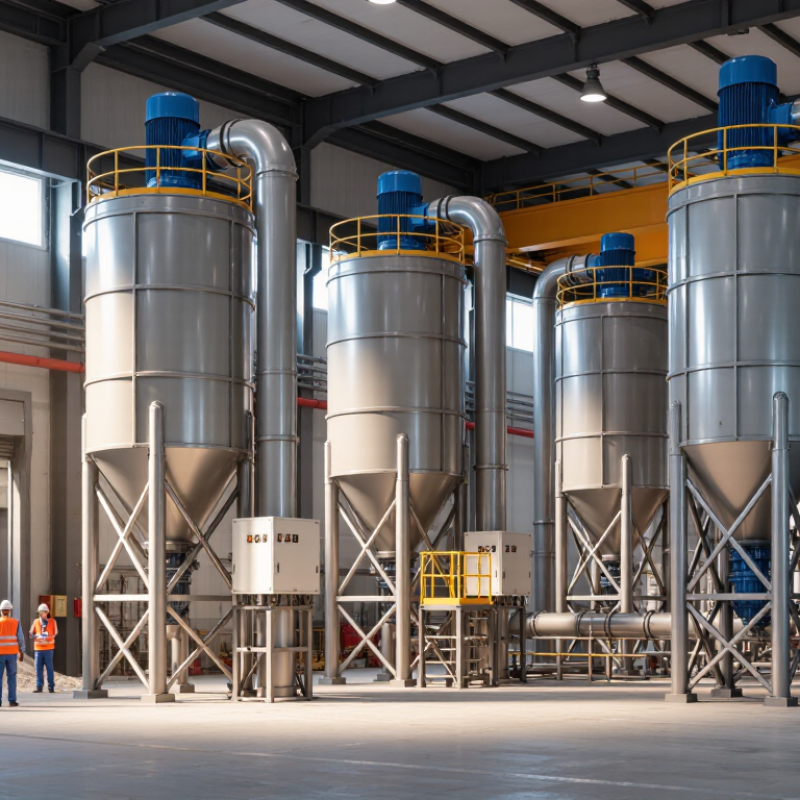
Vertical Concrete Mixers: Design, Operation, and Main Applications
Vertical Concrete Mixers: Design, Operation, and Main Applications
Vertical concrete mixers use an upright drum to blend cement, aggregates, water, and additives. Their compact structure fits small yards and restricted construction sites. Inside the drum, rotating paddles lift and fold the mixture through repeated cycles. Gravity supports this movement and reduces the machine’s floor space. A reinforced frame absorbs vibration during heavy mixing. Replaceable wear plates protect areas exposed to abrasive sand and stone.
Operators usually load coarse aggregate, cement, and part of the water before adding the remaining materials. This sequence helps prevent dry pockets and uneven moisture. Mixing time depends on the recipe, batch size, and material temperature. The operator should inspect paddle clearance before every shift. Small gaps can reduce mixing quality. Excessive loading can strain the drive system. It is easy to overlook this problem during busy production periods.
These mixers serve masonry work, precast components, repair projects, farm construction, and remote job sites. They can produce consistent batches when workers measure ingredients carefully. A simple water adjustment may change slump more than expected. That detail deserves attention. Cleaning the drum after each work cycle prevents hardened buildup around the paddles. However, vertical mixers are not ideal for every high-volume application. Their output may limit continuous production, especially when large pours require uninterrupted supply. Job conditions, material design, maintenance access, and operator experience should guide equipment selection.
Leading Manufacturers and Suppliers in the Vertical Mixer Market
Top Vertical Concrete Mixer Manufacturers and Suppliers
Leading manufacturers and suppliers in the vertical mixer market focus on dependable output, practical design, and responsive service. Their equipment commonly serves precast plants, construction sites, masonry yards, and small batch operations. A strong supplier explains mixing capacity, motor power, discharge height, and maintenance needs before recommending a model. This shows technical confidence, not aggressive selling.
Experienced manufacturers use reinforced drums, durable blades, and sealed drive systems to handle cement, sand, stone, and water. Buyers should inspect weld quality, blade access, control layout, and spare-parts availability. A reliable supplier also provides operating instructions, safety guidance, and realistic production figures. Claimed capacity can vary with material moisture and loading habits. That detail is easy to miss.
Tips: Request a trial mix before purchasing. Check the batch time with your actual aggregate sizes. Ask how quickly worn blades, belts, and bearings can be replaced. A supplier’s response often reveals its after-sales reliability. Keep a written maintenance schedule near the mixer. Small oversights become expensive.
Vertical mixer manufacturers with proven engineering processes usually offer adaptable configurations, including different drum volumes, discharge options, and power systems. However, the most expensive model may not suit every plant. Noise, floor space, electrical supply, and daily batch frequency deserve equal attention. I have found that simple controls often outperform complicated systems in dusty working environments, although this depends on operator training and site discipline.
Typical Batch Capacity Ranges for Vertical Concrete Mixers
Vertical concrete mixers are commonly selected by batch capacity and operating environment. Laboratory and repair work generally uses compact mixers, while precast production and larger construction projects require higher-capacity units. The ranges shown are representative capacity bands compiled from publicly available industry specifications and are not market-share figures.
Purchasing, Customization, and After-Sales Support Considerations
Choosing a vertical concrete mixer requires more than comparing purchase prices. Examine frame thickness, mixing speed, discharge design, and motor protection. Ask suppliers for capacity tests using your intended mix. Ask for proof.
A reliable supplier should explain customization limits clearly. Hopper height may need adjustment for your loading equipment. You might also request reinforced paddles, dust covers, or a different control panel. Confirm whether modifications affect delivery time, warranty coverage, or spare-part availability. I have seen buyers focus on drum size and overlook cleaning access. That mistake becomes expensive during daily production. Measure your site carefully, including door width, ceiling clearance, and electrical connections. Small details matter.
After-sales support deserves written confirmation before payment. Request installation guidance, operating manuals, maintenance schedules, and response times for technical questions. Check whether common parts can be shipped quickly to your region. A capable supplier should identify wear points and explain replacement procedures. Remote troubleshooting is useful, but it cannot replace practical service when a gearbox fails. Do not accept vague promises. Ask for service terms in plain language. One weakness remains common: buyers often assume every operator understands the machine immediately. Plan brief training, keep inspection records, and review the first month’s performance. Your original requirements may change after real use, so leave room for sensible adjustments.


