China Top 10 DC Gear Motor Suppliers
Choosing reliable suppliers matters when a small motor drives a medical device, warehouse conveyor, or office automation system. This guide examines China’s top 10 DC gear motor suppliers through practical purchasing criteria. It focuses on engineering capability, product consistency, communication, and long-term support.
The selected companies are reviewed for dc gear motors, including brushed and brushless designs. Attention is given to rated voltage, torque output, speed range, gear ratio, noise, and operating temperature. A compact motor may look efficient on a sample bench. Real performance can change under continuous load. That difference deserves careful checking.
Factory experience also matters. Suppliers with in-house design teams can adjust shafts, mounting holes, connectors, and gear materials more efficiently. Quality controls may include incoming material checks, assembly inspection, load testing, and aging tests. Buyers should request test reports rather than rely only on attractive catalog images. Certifications, traceable documentation, and clear warranty terms provide stronger purchasing confidence.
This overview also considers production capacity, minimum order quantities, prototype services, lead times, export experience, and after-sales response. A supplier may offer excellent pricing but struggle with urgent engineering changes. Another may communicate well but lack stable batch consistency. Not every supplier will fit every project. That is the honest part.
Application examples include electric blinds, robotic equipment, pumps, printers, adjustable furniture, and small mobility systems. The final ranking should be treated as a practical starting point, not an absolute judgment. Product specifications, factory audits, samples, and independent testing still deserve attention before a major order. Small details often decide the outcome.
Definition and Role of DC Gear Motors
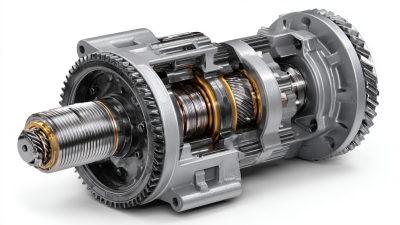
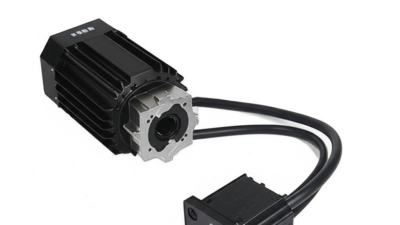
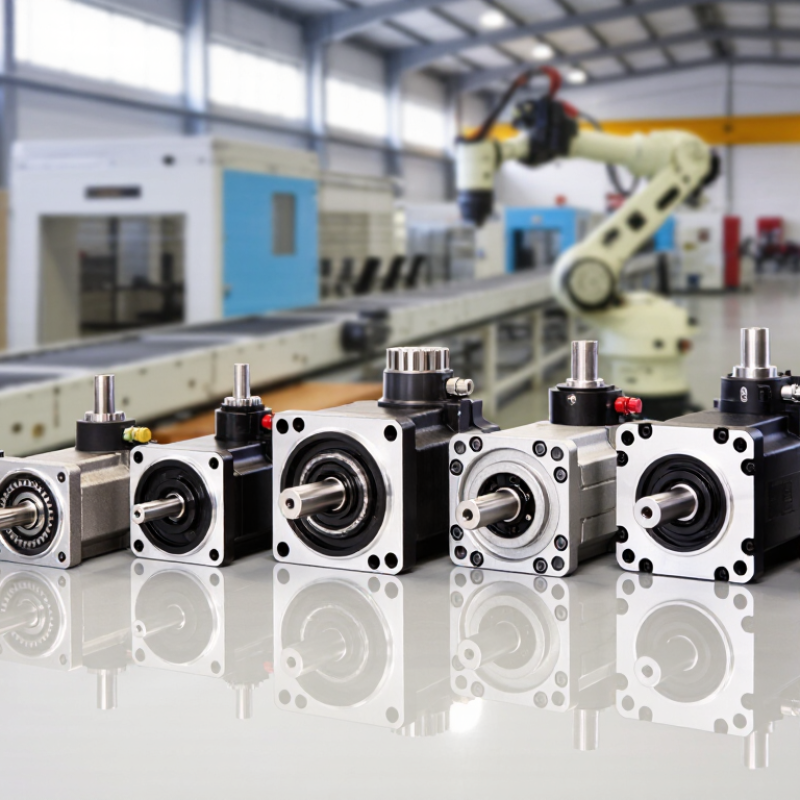
A DC gear motor combines a direct-current motor with a gearbox. The motor creates rotation, while the gearbox reduces speed and increases usable torque. This arrangement supports controlled movement in compact equipment. Unlike a bare motor, it can move a heavier load with less current demand at the output shaft.
Its role appears in conveyor systems, electric locks, small pumps, robotic joints, and automated positioning units. Engineers select these motors by checking voltage, rated torque, output speed, duty cycle, and shaft load. Gear ratio matters greatly. A higher ratio offers more torque, but it usually reduces speed and may increase backlash. That trade-off is easy to underestimate. Quiet operation also depends on gear material, lubrication, alignment, and mounting stiffness.
Reliable selection requires more than comparing catalogue numbers. Load changes, startup resistance, heat, and repeated reversing can affect service life. Laboratory ratings may not match dusty, warm, or poorly aligned equipment. A short test under real conditions can reveal vibration, current spikes, or unexpected noise. Protection against overload may be necessary, especially when a mechanism can jam. Feedback sensors can improve position accuracy, but they add cost and wiring. DC gear motors remain practical because they offer straightforward control, useful torque, and flexible installation. Still, the simplest option is not always the most dependable one.
China Top 10 DC Gear Motor Suppliers — Definition and Role of DC Gear Motors
A DC gear motor combines a direct-current motor with a gearbox to reduce rotational speed and increase output torque. The chart shows the ideal torque multiplication associated with common reduction ratios. In practical applications, actual torque is lower because of gearbox friction and efficiency losses.
Key Criteria for Evaluating Chinese DC Gear Motor Suppliers
When comparing China’s top ten DC gear motor suppliers, published specifications are only the starting point.
Ask for measured torque-speed curves, not copied catalog values. A reliable supplier should state voltage, rated current, no-load speed, gearbox ratio, and continuous output torque. Check whether testing uses the same load and temperature as your application. Small differences matter. A motor reaching 30 rpm unloaded may slow sharply under a conveyor’s real load.
Engineering experience appears in the questions a supplier asks. They should request duty cycle, starting torque, mounting limits, noise targets, and ambient conditions before recommending a model. Review samples at 12 or 24 volts, then record current, temperature rise, backlash, and vibration after extended operation. Test it under load. Ask for shaft material, bearing type, gear material, and lubrication details. Request inspection records and batch traceability. Evidence beats promises.
Reliability also depends on documentation and communication. Verify quality certifications, incoming-material controls, end-of-line testing, and change-notification procedures. Confirm protection ratings through appropriate test reports, not informal claims. Supplier audits can reveal loose wires, inconsistent grease, or poorly packed gears. No supplier is perfect. Keep a comparison sheet and score evidence, response speed, sample results, and after-sales support. One weakness remains: short samples cannot prove years of service. Plan a pilot run and review failures honestly before approving volume production.
China’s Top 10 DC Gear Motor Suppliers
China’s Top 10 DC Gear Motor Suppliers
China’s DC gear motor sector serves automation, medical equipment, security systems, smart appliances, and mobile devices. A 2024 Grand View Research report estimates the global gear motor market will grow steadily through 2030, with automation supporting demand. However, market estimates differ because DC gear motors are often grouped with wider geared motor categories.
A practical Top 10 supplier review should examine more than price. Buyers should check rated torque, gearbox material, noise level, thermal performance, and duty cycle. A motor rated at 12 volts may still fail under continuous load. Ask for test curves, tolerance data, and sample results. Those details reveal engineering discipline.
The International Energy Agency reports that electric motor systems represent a significant share of industrial electricity use. Better efficiency therefore affects operating costs, not only purchase prices. China’s leading suppliers commonly offer compact planetary, spur, and worm gear designs, with customization for shaft size and mounting holes. Yet some catalogs provide incomplete efficiency data. That is a warning.
Factory audits, ISO 9001 documentation, traceable inspection records, and realistic delivery schedules improve supplier reliability. Independent testing remains valuable, especially for vibration and stall conditions. In my experience, the cheapest quotation rarely gives the clearest technical picture. Good selection takes patience.
How to Select the Right Chinese DC Gear Motor Supplier
China Top 10 DC Gear Motor Suppliers
How to Select the Right Chinese DC Gear Motor Supplier
Choosing a Chinese DC gear motor supplier requires more than comparing prices. Begin with the application. Record voltage, rated torque, speed, duty cycle, shaft load, and installation space. A motor running a conveyor needs different protection from one moving a small valve. Small details matter.
Request samples with matching specifications, not convenient alternatives. Test starting torque, noise, temperature rise, current draw, and gearbox backlash. Ask for test reports, material details, production tolerances, and traceable inspection records. A reliable supplier should explain failures clearly, rather than hiding behind general claims. Ask for evidence.
Factory capability also matters. Review winding equipment, gear machining, assembly controls, and end-of-line testing. Confirm whether key processes happen internally or through subcontractors. Subcontracting is not automatically risky, but unclear responsibility can delay corrective action. Communication deserves testing too. Send one technical question and observe the response time and accuracy.
Discuss tooling ownership, sample approval, minimum order quantities, packaging, spare parts, and realistic lead times. Confirm how design changes are recorded. In practical sourcing, a low quotation can become expensive after repeated revisions. I have seen teams focus too heavily on unit cost and overlook connector quality or shaft alignment. That mistake is easy to repeat. No checklist is perfect. Keep written records, verify critical dimensions, and reassess the supplier after pilot production.