How to Choose the Right Electrical Breakers for Your Needs?
Choosing the right Electrical Breakers is crucial for safety and efficiency in any electrical system. According to the National Fire Protection Association (NFPA), electrical failures are a leading cause of home fires. Selecting appropriate electrical breakers helps mitigate this risk significantly. The market for electrical breakers is expected to grow at a compound annual growth rate (CAGR) of 6.5% from 2022 to 2030, as reported by industry experts.
Understanding your specific needs is essential. Different applications require particular types of breakers, such as dual function or ground fault circuit interrupters. Reports indicate that residential use of circuit breakers has increased, reflecting changes in homes’ electrical demands. With proper knowledge and careful consideration, users can avoid common mistakes.
Many assume that one size fits all. This misconception can lead to serious consequences, including equipment damage and safety hazards. Breaker ratings, types, and installation methods vary widely. Therefore, individuals must invest time in research and consult with professionals when needed. Emphasizing these aspects ensures a better-informed decision regarding electrical breakers.
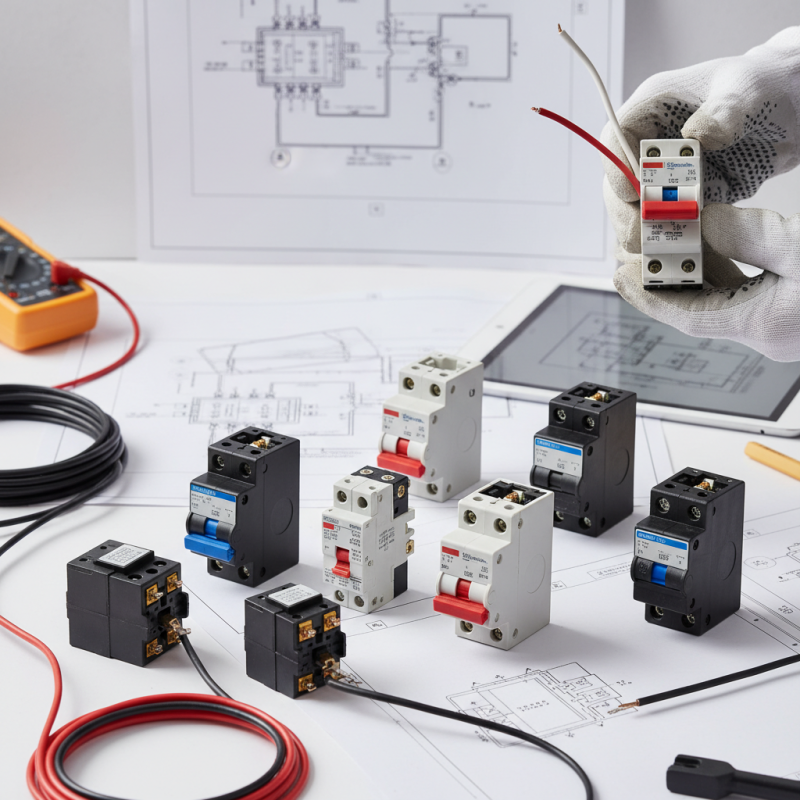
Understanding Electrical Breakers and Their Functionality
Electrical breakers are essential components of any electrical system. They protect circuits from overloads and short circuits. Understanding their functionality is crucial for selecting the right breakers for your needs. When a circuit draws too much current, the breaker trips, preventing potential fires and equipment damage. This safety feature is invaluable in both residential and commercial settings.
There are various types of electrical breakers, including standard, GFCI, and AFCI breakers. Each serves a specific purpose. Standard breakers protect against overloads. GFCI breakers are vital in wet areas, helping to prevent shock. AFCI breakers are designed to protect against arc faults, which can lead to fires. Assessing your environment can guide your choice.
Making a choice can be complex. You might overlook specific safety requirements. Not every installation needs GFCI or AFCI protection. Conversely, ignoring them in the right contexts could lead to serious risks. It's important to evaluate your specific needs while considering the environment. Always consult with a professional if you're unsure, as their expertise can help avoid costly mistakes.
Types of Electrical Breakers: A Comparative Overview
When selecting electrical breakers, understanding the various types is crucial. Circuit breakers serve to protect your home from electrical overloads and faults. Two common types include Standard Breakers and Ground Fault Circuit Interrupters (GFCIs). Standard breakers cut off power during overloads. GFCIs provide extra protection against electrocution in wet areas, like kitchens and bathrooms.
Another important type is the Arc Fault Circuit Interrupter (AFCI). AFCIs detect hazardous arcing faults that can lead to fires. This technology is especially relevant in older homes with outdated wiring. It's essential to evaluate your home’s wiring condition and electrical load requirements. Recognizing these factors can empower you to make informed decisions.
Choosing the right breaker requires some reflection. Many users might overlook the importance of proper ratings. Installing a breaker with the wrong ampacity can lead to malfunction or even risks. Take the time to assess your unique power needs. It's a vital step that shouldn't be skipped.
Key Factors to Consider When Selecting Electrical Breakers
When selecting electrical breakers, understanding your specific requirements is crucial. Breakers come in various sizes and types, suited for different applications. Always consult the electrical load calculations for your home or business. This will help determine the appropriate amperage you need. Remember, choosing a breaker that is too small can lead to nuisance tripping, while one that is too large may not provide adequate protection.
Tips: Consider both the voltage rating and the current rating when choosing breakers. Match these with your electrical system requirements for optimal safety.
Another crucial factor is the type of circuit you are working with. Residential applications often require single-pole breakers, while larger circuits may need double-pole breakers. Additionally, the environment should be considered; breakers in damp areas may need special ratings for moisture resistance.
Tips: Always check for the interrupting capacity of a breaker. This tells you its ability to handle fault conditions without failing. A breaker with insufficient capacity can be dangerous.
Installation plays a significant role too. If unsure about the installation process, consult a licensed electrician. Incorrect installation can lead to serious safety hazards, affecting the reliability of your electrical system. Ensure your choice of breaker aligns with local building codes for compliance and safety.
Assessing Your Power Needs and Load Calculations
Understanding your power needs is essential. Begin by determining your total electrical load. List all devices and their wattage. Add them up to get the overall demand. This calculation helps in selecting the appropriate breaker rating.
Consider the type of devices as well. High-demand appliances like refrigerators or HVAC systems need more robust breakers. Might there be future expansions in your usage? It’s wise to allow some extra capacity. This foresight can save you from frequent upgrades down the line.
Remember, safety is crucial. Using a breaker with too high a rating can pose risks. Conversely, too low a rating may trip frequently. Finding the right balance is often a trial-and-error process. It demands careful consideration and occasional adjustments. Stay vigilant and review your setup periodically. Over time, you'll learn what works best for your specific needs.
Installation and Maintenance Tips for Electrical Breakers
When working with electrical breakers, installation and maintenance are crucial steps. Each breaker serves as a safeguard for your electrical system. Proper installation ensures safety and efficiency. Always turn off the power before starting. Check the voltage and amperage ratings carefully. An incorrect breaker can lead to malfunctions or even fires.
Tips: Ensure the breaker type matches your application's needs. Using the wrong type can damage your devices. Double-check wiring connections. Loose wires can cause trip issues or overheating. Consider professional assistance if you're unsure. Mistakes can lead to costly repairs.
Maintenance is equally important. Regularly inspect your breakers for signs of damage or wear. Look for burn marks or corrosion. These can indicate underlying problems. Conduct routine testing to confirm they are functioning properly. Ignoring maintenance can result in serious hazards. Stay vigilant and proactive in your approach.


