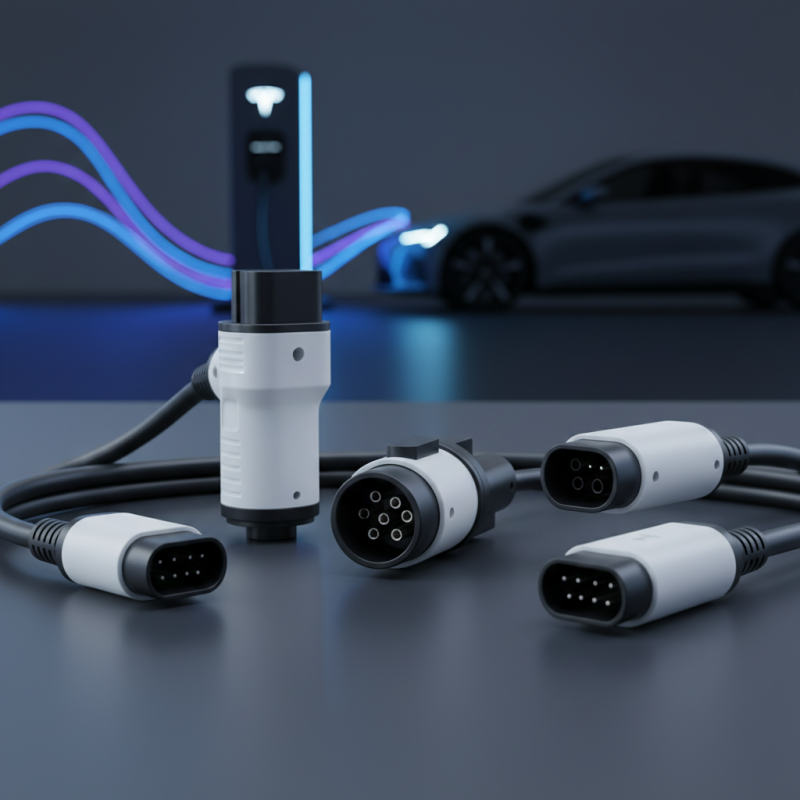
How to Choose the Right DC Charging Connector for Your Needs?
Choosing the right Dc Charging Connector can greatly impact your electric vehicle experience. According to industry expert Dr. Emily Chen, "Selecting the appropriate connector makes all the difference in efficiency and compatibility." Her insights highlight the importance of understanding different connector types and specifications.
DC Charging Connectors vary in design and functionality. Each type has unique advantages and limitations, which can affect charging speed and accessibility. Users often overlook these factors, leading to compatibility issues. It's essential to know your vehicle's requirements and charging infrastructure before making a choice.
Investing time in research can prevent future problems. For instance, some connectors may not fit all charging stations. If you're uncertain, consult with a certified professional. Understanding these details fosters better decision-making and enhances your EV experience.
Understanding DC Charging Connectors and Their Importance
Understanding DC charging connectors is crucial for electric vehicle (EV) owners. The choice of connector impacts charging efficiency and speed. Reports indicate that charging time can vary dramatically based on connector types. For example, the CCS2 connector can provide 350 kW of power, enabling faster charging compared to CHAdeMO, typically limited to 62.5 kW. This difference directly affects how quickly a driver can get back on the road.
Connector compatibility is another important factor. Not all EVs use the same connector. Market data shows that in 2022, approximately 54% of global charging stations supported CCS. Meanwhile, only 12% were CHAdeMO. This disparity can pose challenges for users. Drivers need to ensure their vehicle is compatible with available charging infrastructure, leading to potential delays if they encounter an incompatible station.
Choosing the right connector also involves consideration of future needs. With EV adoption rising, projections estimate there could be over 145 million EVs globally by 2030. This growth will increase the demand for versatile connectors. As such, consumers must stay informed about trends in charging technologies to make educated choices. The right connector today can mean easier charging tomorrow.
Types of DC Charging Connectors Available in the Market
When exploring the various types of DC charging connectors available in the market, it's essential to understand their characteristics. The main types include CHAdeMO, CCS, and Tesla connectors. CHAdeMO is popular in Japan and supports fast charging. Its design allows for reliable power transfer but can be limited in global compatibility.
CCS, or Combined Charging System, is widely used in Europe and North America. It combines AC and DC charging capabilities. This versatility makes it a favored choice among manufacturers. However, some users may find it bulky or cumbersome. On the other hand, Tesla connectors are tailored for Tesla vehicles. While they provide fast charging, their exclusivity can be a drawback for non-Tesla drivers.
When selecting a DC charging connector, consider your vehicle's compatibility and the availability of charging stations. Researching local infrastructures is critical since not all areas have equal access. Understanding these types ensures a better charging experience, but the evolving landscape can lead to confusion. Keep in mind that connectors may evolve, necessitating fresh evaluation as technology advances.
How to Choose the Right DC Charging Connector for Your Needs? - Types of DC Charging Connectors Available in the Market
| Connector Type | Plug Design | Voltage & Current Ratings | Typical Use Cases |
| CHAdeMO | Circular connector with large plug | Up to 100 kW | Used by Nissan, Mitsubishi electric vehicles |
| CCS (Combined Charging System) | Rectangular connector with two additional pins | Up to 350 kW | Widely adopted by European and American manufacturers |
| GB/T | Specialized connector type for Chinese EVs | Up to 240 kW | Used primarily in the Chinese market |
| Tesla Supercharger | Proprietary connector | Up to 250 kW | Designed for Tesla electric vehicles |
| Type 2 (Mennekes) | Rounded oblong shape | Up to 22 kW (AC charging), 100 kW (DC charging) | Common in Europe for AC and DC charging |
Factors to Consider When Choosing a DC Charging Connector
When selecting the right DC charging connector, several factors come into play. Understanding these factors can significantly impact your charging efficiency and overall experience. Compatibility with your vehicle is paramount. Different electric vehicles may require specific connectors. Therefore, checking your vehicle’s requirements before purchasing a connector is crucial. This can help prevent any compatibility issues.
Another vital consideration is the charging speed. Fast chargers often use different connectors compared to standard ones. If you're looking for speed, ensure the connector aligns with higher voltage levels. Think about your charging habits too. Do you charge daily or only occasionally? Your answers can influence the connector type you need.
Tips: Testing various connectors can provide firsthand experience. Consider renting equipment to compare speeds and compatibility. Talk to other EV owners for insights on the connectors they trust. Engaging with the community or forums can lead you to valuable, practical advice.
Keep in mind that the environment you charge in also matters. If you often charge outdoors, choose connectors that resist weather conditions. Regularly inspect your connector for wear and tear. Addressing minor issues early can prevent significant breakdowns later. Balancing these aspects will help you make an informed decision.
Choosing the Right DC Charging Connector: Key Factors
This chart illustrates the key factors to consider when selecting a DC charging connector, including compatibility, charging speed, and connector design preferences. Understanding these factors can help you make an informed decision.
Compatibility with Different Electric Vehicle Models
When selecting a DC charging connector, compatibility with various electric vehicle (EV) models is crucial. According to a report by the International Energy Agency (IEA), there are more than 10 major EV connector types in use globally. Each model or manufacturer may use different connectors, making it vital to understand your options.
For example, the CCS (Combined Charging System) is widely adopted in Europe and North America, while CHAdeMO is more common among certain Japanese models. A study from Bloomberg New Energy Finance indicates that over 50% of the global EV market uses CCS connectors. This reflects the need for connectors that suit a broad range of vehicles. Yet, many consumers still overlook the implications of connector types on charging speed and availability.
It is also essential to consider future-proofing your choice. With the growing variety of EVs, the connector landscape is rapidly evolving. Some connectors may become obsolete. Therefore, investing in a versatile connector can save money and hassle down the road. Additionally, ask yourself about the accessibility of charging stations that match your connector choice. This reflects the ever-changing nature of EV technology and poses challenges to users. Understanding these details creates informed decision-making in the electric vehicle landscape.
Future Trends in DC Charging Connectors and Technology
The future of DC charging connectors is promising and complex. As electric vehicle (EV) adoption accelerates, the need for improved charging technology becomes essential. The focus is on faster charging, better compatibility, and enhanced safety. Innovations such as liquid-cooled cables are emerging to facilitate higher power levels, allowing for quicker charging times. These advancements may eventually influence connector design, pushing for standardized solutions to enhance interoperability.
Moreover, the development of smart connectors is on the rise. These connectors can communicate with the vehicle and charging station, optimizing energy transfer and improving user experience. The integration of AI and IoT technology could enable predictive maintenance and real-time diagnostics. However, the challenge lies in balancing innovation with existing infrastructure. Cities often lack the necessary foundation to support rapid changes.
It's essential to consider that not all advancements are flawless. The rapid pace of technology could lead to compatibility issues. New standards may emerge, making older systems obsolete. Stakeholders must remain adaptable while ensuring integration with current systems. A thoughtful approach will drive sustainable innovation in the foreseeable future, enhancing the overall EV experience.