What is Armoured Cable and How to Choose the Right Type?
Armoured Cable is crucial in modern electrical installations. It provides enhanced protection against environmental factors and mechanical stresses. According to a report by MarketsandMarkets, the global armoured cable market is expected to reach USD 10.2 billion by 2026, reflecting a rising demand across various sectors.
Choosing the right type of Armoured Cable can be challenging. Each installation situation may require a specific type, such as steel wire armoured (SWA) or aluminium armoured cables. As noted by the IEC 60502-1 standard, these cables must meet specific durability and safety requirements.
However, many factors can complicate selection. Installation area, environmental conditions, and cable specifications all matter. A well-informed choice can lead to effective performance and longevity. In contrast, poor selection may lead to safety hazards or increased costs. It's vital to consult with industry experts to ensure the right recommendations are made.
Understanding Armoured Cable: Definition and Key Features
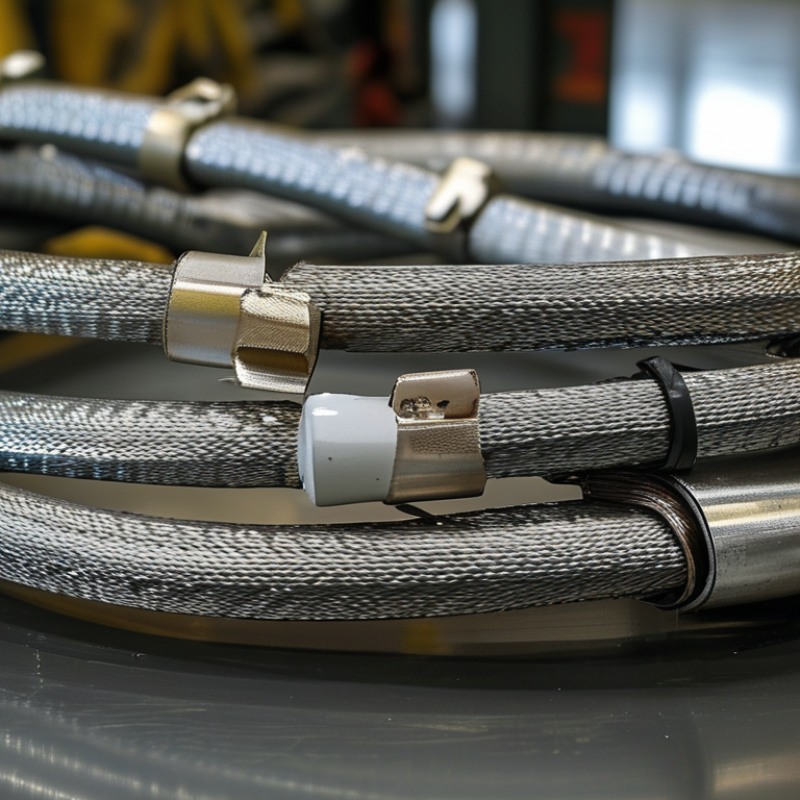
Armoured cable is a robust electrical cable designed for high durability and safety. It features a protective layer made of steel or aluminum, which ensures it can withstand physical damage. This is crucial for installations in harsh environments, where traditional cables may fail. Users often find armoured cables in industrial settings or outdoor applications, where protection against rodents and moisture is vital.
When choosing the right type of armoured cable, it’s essential to understand various features. The thickness of the armouring affects flexibility and resistance. A thicker layer offers better protection but compromises flexibility. Users must consider installation conditions. For instance, if the cable is to be buried underground, opting for a cable with higher moisture resistance is prudent. Additionally, understanding the electrical rating is crucial. Not all armoured cables are built for the same voltage; ensure the chosen cable meets your project's requirements.
Types of Armoured Cables and Their Specific Applications
Armoured cables are essential in various industries due to their robustness and durability. They come in several types, each suited for specific applications. Steel wire armoured (SWA) cables are widely used in construction and industrial settings. They offer high mechanical strength, making them ideal for underground installations. According to a report by Global Market Insights, the demand for SWA cables is expected to grow by 5% annually.
Another common type is the aluminium wire armoured cable. These are lighter and more cost-effective, suitable for overhead installations. They are often used in utility applications and have gained popularity due to their corrosion resistance. A recent study indicates a 4% increase in the adoption of aluminium armoured cables across the electrical distribution sector.
It is crucial to consider the environmental factors when selecting the right type of armoured cable. For example, areas prone to moisture may require additional insulation. Yet, some users overlook this aspect, leading to premature failures. Understanding the specific needs of your application can prevent costly mistakes. As the industry evolves, staying informed about the latest developments is vital for making wise choices.
How to Assess Your Needs for Selecting Armoured Cable
When choosing armoured cable, it’s crucial to assess your specific needs. Start by considering the environment where the cable will be installed. For outdoor applications, select cables that can withstand moisture and temperature variations. Indoor installations may require a different approach, focusing on flexibility and ease of installation. Look at the potential for physical damage in the area. This can influence the level of armouring required.
Next, think about the power requirements. Determine the voltage and current specifications. Higher capacity cables often require more robust armouring to handle the increased load while maintaining safety. Also, consider the cable's size and weight. Thicker cables offer more protection but can be more cumbersome to install. Additionally, reflect on your future needs. Will you need to upgrade or expand your electrical system? Planning ahead can save time and hassle later.
It’s important to consult with professionals who understand armoured cables well. Their expertise can guide you in making informed decisions. Moreover, ensure you choose a reputable supplier. Quality matters for safety and longevity. Every installation has unique challenges. Evaluate those carefully to find the right armoured cable for your project.
What is Armoured Cable and How to Choose the Right Type? - How to Assess Your Needs for Selecting Armoured Cable
| Type of Armoured Cable | Application | Conductor Material | Cable Rating | Environment Suitability |
| Steel Wired Armoured (SWA) | Underground power distribution | Copper or Aluminium | Up to 600/1000V | Wet or dry locations, direct burial |
| Aluminium Armoured Cable | Industrial applications | Aluminium | Up to 600/1000V | Suitable for outdoor use |
| Armoured Flexible Cable | Mobile and portable equipment | Copper | Up to 450/750V | Indoor and outdoor, resistant to weather |
| Miner's Cable | Mining applications | Copper | Up to 600/1000V | Heavy-duty, high-impact environments |
Factors to Consider When Choosing Armoured Cable Types
When selecting armoured cable, various factors play a crucial role in ensuring suitability for specific applications. One key consideration is the environment where the cable will be installed. For instance, outdoor installations may require UV-resistant materials, while cables used in industrial settings must withstand exposure to chemicals or physical damage. According to industry reports, using the wrong type of cable can lead to a significant increase in maintenance costs, sometimes up to 30% over five years.
Another important aspect is the type of armouring. Steel or aluminum options are commonly used, providing different levels of protection. Steel armouring offers higher durability, essential for high-risk areas. On the other hand, aluminum is lighter and easier to handle. It’s essential to evaluate the specific needs of your project to avoid unnecessary expenses. A poorly chosen cable can cause delayed operations and safety hazards, emphasizing the importance of informed decision-making.
Lastly, voltage and current ratings should never be overlooked. Choosing cables that do not meet electrical requirements can lead to overheating and potential failures. Data from recent electrical safety reports suggests that around 4% of electrical fires are directly linked to incorrect cable usage. Each of these factors demands careful consideration to ensure reliability and safety in your electrical installations.
Armoured Cable Types and Their Applications
This chart illustrates the frequency of different types of armoured cables used in installations. The SWA (Steel Wired Armoured) cables are the most frequently installed type, suitable for external applications due to their robust protection against physical damage. Other types such as AWA (Aluminium Wired Armoured) and XLPE (Cross-linked Polyethylene) cables follow, indicating a diverse range of applications based on specific needs.
Installation Tips and Best Practices for Armoured Cables
Installing armoured cables requires careful consideration of the environment and application. These cables are designed to withstand physical stress, making them ideal for outdoor or industrial settings. When choosing the right type, prioritize the level of protection you need. For example, a PVC sheath may suffice for dry areas, but a tougher steel core is essential for harsh conditions.
Ensure you follow best practices during installation. Start by confirming compatibility with existing systems. Proper grounding is crucial to prevent electrical faults. Use correct tools to strip and connect cables, avoiding damage. Check for bends and kinks as these can compromise performance. Always refer to the manufacturer’s guidelines on installation techniques to avoid mishaps.
Awareness of common mistakes improves safety and effectiveness. Many overlook labeling cables, leading to confusion later on. Improperly secured cables can lead to wear over time. Regular inspections are vital to maintain integrity. Stay informed on local regulations regarding armoured cables for compliance. This proactive approach enhances reliability and longevity in your electrical systems.


