2026 Top Heat Transfer Label Types for Global Buyers
Global apparel buyers are rethinking how labels perform after printing, washing, packing, and shipment. This guide examines the leading Heat Transfer Label types expected to matter in 2026, including polyurethane, silicone, PVC-free, reflective, flock, and offset transfer options. Each type creates a different surface effect, hand feel, durability level, and production cost. Those differences become visible on a black sports shirt, a stretch bodysuit, or a tightly woven work jacket.
The right choice depends on more than appearance. Buyers should review fabric composition, stretch recovery, application temperature, pressing time, wash method, and expected order volume. A soft PU label may suit lightweight activewear, while silicone can provide stronger visual depth and a raised finish. Reflective transfers can support visibility-focused designs, but performance must be tested under real lighting conditions. Ask suppliers for application samples, wash reports, color references, and material declarations. Certifications also require careful checking, because requirements differ by market and product category.
No single type wins every order. That assumption is convenient, but wrong. In practice, small testing gaps can become peeling edges, color migration, or uncomfortable patches. Global buyers need reliable specifications and traceable production communication. They should also consider packaging, lead time, minimum quantities, and regional compliance before approving a transfer. This overview offers practical comparisons rather than a perfect formula. Some recommendations may change after testing, especially with new recycled fabrics or low-temperature application systems. That uncertainty deserves attention, not marketing language.
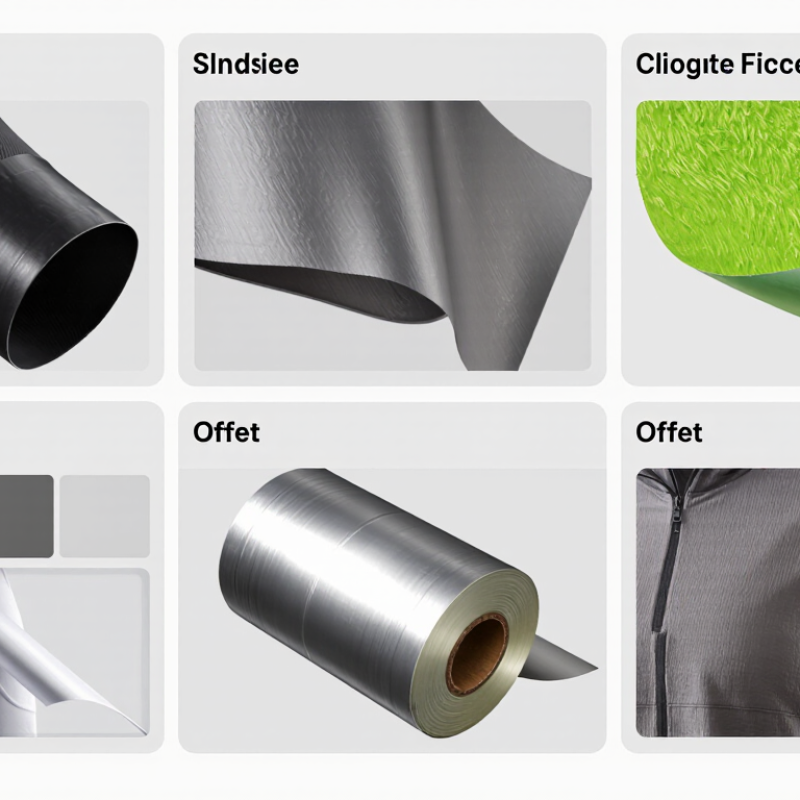
What Are Heat Transfer Labels and How Do They Work?
2026 Top Heat Transfer Label Types for Global Buyers
What Are Heat Transfer Labels and How Do They Work?
Heat transfer labels are graphics or care information applied to fabric with controlled heat and pressure. They usually contain a printed design, adhesive layer, and temporary carrier film. During application, the adhesive softens and bonds with textile fibers. After cooling, the carrier is peeled away, leaving a smooth label surface.
Common options include polyurethane labels, silicone labels, reflective labels, and digitally printed transfers. Polyurethane feels thin and flexible. Silicone offers a raised, soft-touch effect. Reflective transfers improve visibility in low-light conditions. Digital transfers support short runs and detailed artwork. Textile Exchange reported that polyester represented about 59% of global fiber production in 2023. This matters because buyers should test adhesion on polyester, blends, and recycled fabrics separately. The same setting may not work equally well.
Tips: Request wash, stretch, and abrasion tests before bulk production. Record temperature, pressure, dwell time, and peel direction. A label can look perfect on day one, yet fail after repeated washing. That is the uncomfortable part. Application equipment, fabric finish, and storage humidity can all change results. Buyers should also review the Textile Exchange Materials Market Report 2024 when assessing recycled-content claims. Supplier declarations are useful, but independent testing is safer. In practice, a small pilot batch often reveals more than a polished sample.
2026 Top Heat Transfer Label Types for Global Buyers
Heat transfer labels are graphics or care information printed on a carrier film and applied to fabric with controlled heat and pressure. The chart compares typical heat-press temperature ranges used for common label types.
Values show the midpoint of commonly used application ranges: screen-printed transfer 150–170°C, digital transfer 140–165°C, sublimation 180–205°C, PU film 140–160°C, and PVC film 150–170°C. Actual settings depend on the fabric, adhesive, press, and supplier instructions.
Key Heat Transfer Label Types for Global Buyers in 2026
In 2026, global buyers need heat transfer labels matched to fabric, production speed, and care requirements. Polyurethane film labels suit cotton, polyester, and blended garments. They provide sharp logos and soft edges. PVC-free TPU options support buyers seeking lighter, more flexible finishes. Flock labels add a raised, suede-like surface, while reflective transfers improve visibility on sportswear. Textile Exchange reported 124 million tonnes of global fiber production in 2023. Polyester represented 57% of that volume, making polyester-compatible transfers especially important for large apparel programs.
Sublimation transfers work best on light-colored polyester and allow detailed, breathable graphics. Silicone transfers offer a smooth, rubber-like feel, but their higher cost may limit basic products. Smithers’ textile printing research continues to identify digital production as a growth area, especially for shorter runs and customized orders. Still, market reports can simplify real factory conditions. A label that performs well in testing may fail after repeated washing, stretching, or tumble drying. I recommend requesting fabric-specific samples before approving large quantities. Small differences matter.
Tips: Test adhesion, stretch recovery, color migration, and wash durability. Check the label after five, ten, and twenty wash cycles. Keep the same artwork on different fabrics. Do not assume one transfer type fits every market.
How to Choose Suppliers, Meet Standards, and Control Costs
Heat transfer labels are gaining attention as apparel buyers seek smooth finishes, fewer sewing steps, and flexible production. Grand View Research estimates the global heat transfer labels market will grow at over 6% annually through 2030. That growth attracts new suppliers, but quality varies sharply. Buyers should compare adhesion, stretch recovery, wash durability, and print clarity using the same fabric samples. A label that survives ten home washes may still fail after industrial laundering. Small details matter.
Supplier evaluation needs evidence, not attractive samples alone. Request test reports for ISO 105-C06 color fastness and ISO 6330 washing performance. For skin-contact products, verify current chemical compliance documents, including REACH and OEKO-TEX Standard 100 where applicable. Ask about film thickness, curing temperature, minimum order quantities, and replacement procedures. A supplier with ISO 9001-based quality controls may offer better consistency, but certification does not guarantee perfect production. I have seen approval samples pass while bulk rolls showed uneven edges. Sampling discipline remains essential.
Tips: Build a cost sheet including freight, rejects, application labor, and testing. Compare the cost per accepted label, not the quoted unit price. Request three production samples from different batches. Check them on light and dark fabrics. Leave one sample in normal use. Real wear reveals uncomfortable stiffness and peeling sooner than a showroom test. Recheck standards before each major order, because requirements and customer specifications can change.


